

Acrylic rods are used in instrument parts, display supports, lighting elements, handles, prototypes, signage fixtures, and decorative assemblies. They can be cut, polished, drilled, turned, engraved, and bonded to create customised components.
Choosing the right Acrylic Rod Supplier involves evaluating diameter, transparency, colour, dimensional tolerance, and machining behaviour. These details directly affect the quality of the finished part.
Solid Rods and Tubular Products Serve Different Needs
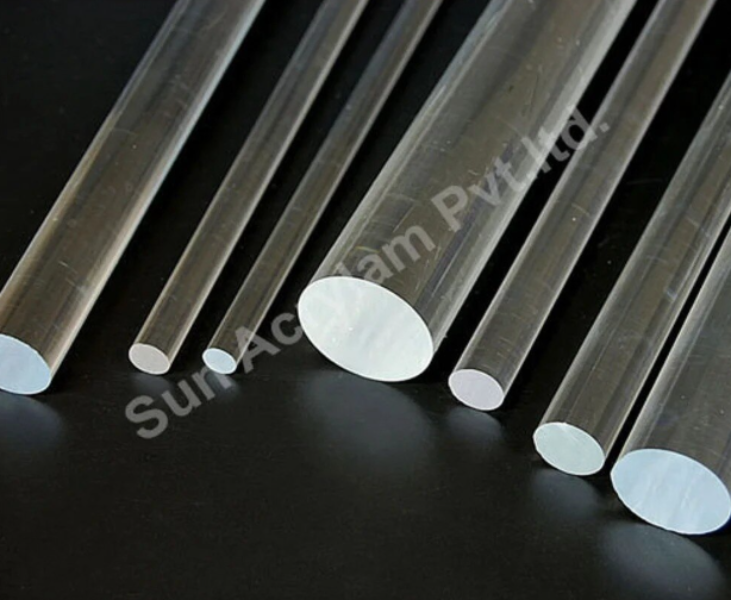
A solid acrylic rod provides material throughout its diameter. It is suitable for machining, turning, drilling, polishing, and creating structural display elements.
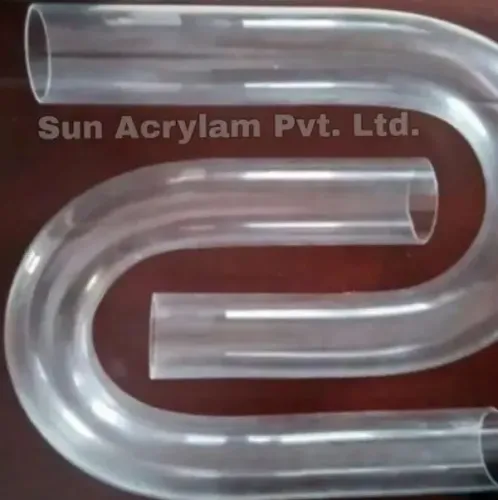
A tube has a hollow centre and is used when lower weight, internal flow, cable routing, or illumination is required.
Buyers occasionally use “rod” and “pipe” interchangeably, which can result in incorrect quotations. A procurement specification should clearly state whether the requirement is solid or hollow.
Diameter Influences More Than Appearance
Rod diameter affects strength, weight, machining time, and material cost. Selecting an oversized rod for a small machined component increases waste. Selecting a diameter too close to the final dimension may leave insufficient machining allowance.
When a rod will be turned on a lathe, the fabricator should confirm how much additional diameter is needed. This depends on rod straightness, surface condition, tolerance, and the final component geometry.
Clear, Coloured, and Frosted Rods
Clear acrylic rods are commonly used when optical appearance or light transmission matters. Coloured rods support branded displays, signage details, decorative installations, and identification systems.
Frosted or diffused finishes are useful in lighting applications because they help soften visible LED points. The required finish may be achieved through the original material or through secondary processing.
Designers should evaluate samples under the actual lighting conditions because colour and transparency can appear different once installed.
Machining Considerations
Acrylic can produce excellent machined finishes when appropriate tools and operating conditions are used. Poor machining methods may cause chipping, overheating, cracking, or cloudy edges.
Important considerations include:
- Sharp cutting tools
- Controlled feed rates
- Suitable spindle speed
- Correct clamping pressure
- Chip removal
- Avoidance of localised heat
- Proper polishing methods
Internal stress may also influence machining performance. For precision parts, testing a sample rod on the intended equipment can reduce uncertainty.
Surface Finish Matters
Display-grade products often need a flawless visual finish. Scratches, drag marks, or damaged protective packaging may make a rod unsuitable even if its dimensions are correct.
Industrial components may prioritise dimensional tolerance over decorative appearance, although surface defects can still influence machining yield.
Buyers should define whether the requirement is general-purpose, fabrication-grade, optical-display quality, or intended for further finishing.
Lighting Applications
Acrylic rods can guide, transmit, or scatter light, making them useful in decorative lighting, illuminated displays, signage, and architectural features.
Performance depends on:
- Rod diameter
- Light-source position
- Surface finish
- Edge polishing
- Colour
- Length
- Engraved or textured details
A polished clear rod may transmit light differently from a sanded or laser-engraved rod. Prototyping is often the best way to evaluate the final effect.
Confirm Chemical and Temperature Conditions
Acrylic rods should not be selected solely because they look suitable. The operating environment must also be considered.
Certain solvents can cause crazing or surface damage. Excessive heat may lead to dimensional changes, while sustained loads can affect long-term performance.
Engineering companies should disclose cleaning agents, chemical contact, temperature range, and load conditions to the Acrylic Rod Supplier before approving the material.
Information to Include in an Enquiry
A complete rod enquiry should specify:
- Required diameter
- Length
- Quantity
- Clear or coloured material
- Dimensional tolerance
- Surface-finish expectations
- End-use application
- Machining or engraving requirements
- Batch consistency needs
- Packaging preferences
For repeat production, buyers should retain approved samples and documented specifications.
Ahmedabad has a strong network of engineering, signage, retail-display, and fabrication businesses. These users often require rods for both functional components and appearance-sensitive products. Matching the rod specification with the processing method helps reduce material waste, improve finish quality, and create more predictable production outcomes.