

The right choice depends first on whether you need a flexible adhesive graphic or a rigid acrylic panel, then on light, cleaning, wall condition, viewing distance, and installation time. By the end, you will be able to compare finishes, calculate a suitable size, select a mounting method, and specify a decal that fits the room rather than merely filling its wall.
Key takeaways
- Choose adhesive graphics for low weight and easier removal.
- Choose rigid acrylic panels for depth, durability and premium presentation.
- Measure viewing distance before selecting decal size and text height.
- Specify wall type, thickness, finish, attachment and artwork dimensions in writing.
Identify the Acrylic Wall Decal Type Before You Compare Designs
Acrylic wall decal types fall into two fundamentally different constructions: a thin adhesive graphic applied directly to the wall, or a rigid acrylic panel carrying the design. The choice changes allowable size, wall load, installation method, removal risk, and visual depth.
| Option | Construction and finish | Result |
|---|---|---|
| Adhesive vinyl graphic | Printed vinyl with a pressure-sensitive adhesive backing | Light, replaceable, and close to the wall |
| Vinyl on acrylic | Clear or opaque vinyl mounted to a rigid sheet | Crisp colour with panel depth and a finished edge |
| Front UV print | Ink printed on the face of acrylic | Saturated colour with a tactile, layered appearance |
| Reverse-printed clear acrylic | Artwork printed on the back of transparent acrylic | Glass-like depth and a protected image |
| Laser-engraved acrylic | Surface cut or frosted by a laser | Durable monochrome identification |
| Frosted or translucent acrylic | Diffusing finish across clear or coloured sheet | Privacy, softened light, and reduced contrast |
| Layered or raised acrylic | Separate cut pieces fixed above a base panel or wall | 3D shadows and stronger presence |
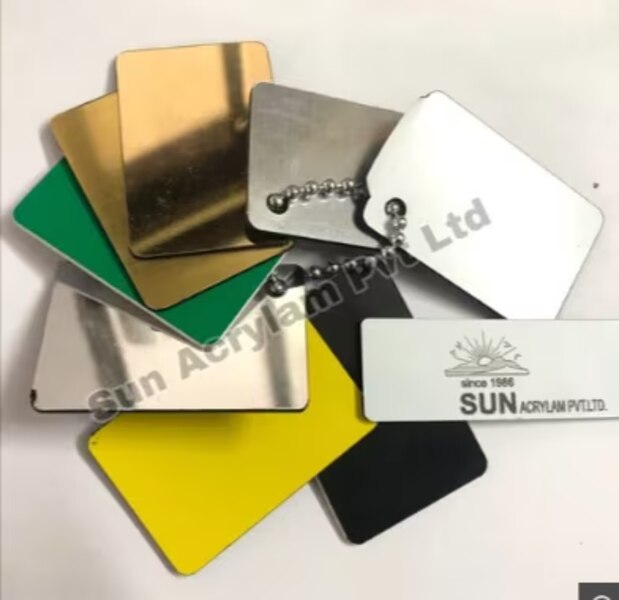
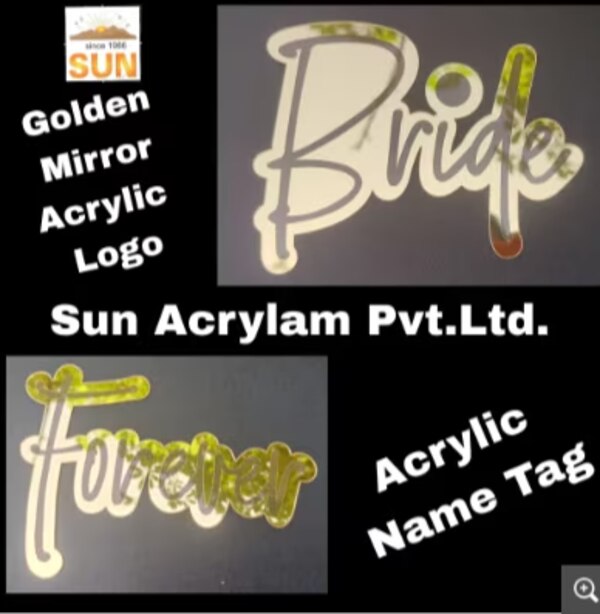
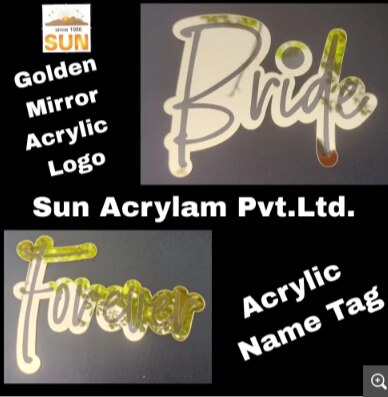
| Mirror acrylic | Reflective coated acrylic cut into letters or shapes | Bright decorative impact without glass weight |
Finish affects more than style. A clear panel needs a wall colour and opacity plan; dark walls can weaken unbacked artwork, while white ink restores contrast. Engraving suits labels that must withstand cleaning, whereas raised layers collect dust.
Before comparing designs, confirm the viewing side, finished panel size, thickness, corner radius, edge finish, mounting hardware, and replacement plan. A rigid panel needs load-rated attachment and movement clearance; an adhesive decal needs a clean, sound wall and a removal test.
Compare Acrylic Against Other Wall Graphics and Decor
Choose acrylic when you want more visual depth and a harder, wipe-clean face than a flexible wall graphic provides. Remember that acrylic wall sticker options include both thin adhesive graphics and rigid panels carrying print, engraving, or applied lettering; they do not install or remove the same way.
| Option | Strengths | Limitations and best use |
|---|---|---|
| Acrylic panel | Gloss, depth, raised lettering, engraving, and strong colour; UV-printed or reverse-printed clear panels suit polished interiors. | Heavier, costlier, and more demanding to mount; use mechanical support for large or public-facing pieces. |
| Vinyl wall sticker | Lightweight, affordable, quick to replace, and suitable for broad graphics. | Offers little physical depth and can lift at edges; choose it when easy replacement matters most. |
| Painted graphic | Integrates with the wall and leaves no panel edge. | Needs accurate preparation, skilled application, and repainting for changes; best for permanent branding. |
| Wallpaper | Covers large areas with continuous pattern and texture. | Seams, moisture, and removal can damage weak paint; use it for room-wide treatment rather than a single emblem. |
| Framed art | Adds a finished object with a replaceable image. | Creates a frame edge, glare, and hanging hardware; better for curated, movable decoration. |
| Mirror-acrylic panel | Adds reflection with lower breakage risk than glass. | Shows fingerprints and can distort reflections; use it for accent or spatial effects. |
| Conventional adhesive decal | Thin, flat, and simple for temporary lettering or shapes. | Delivers the least depth and protection; select it for short-term, low-contact decoration. |
For a protected glass-like graphic, choose reverse-printed clear acrylic. Choose front UV printing for layered effects, engraving for durable monochrome identification, and adhesive vinyl where minimum weight and removal matter more than rigidity. A wall’s condition still decides whether any adhesive option is sensible.
Choose the Size, Thickness, and Attachment for Your Wall
Complete acrylic decal size selection by checking viewing distance, panel weight, wall condition, and attachment before approving the artwork. Mock up the finished width and height with paper, then confirm that doors, switches, furniture, and walkways remain clear. Round exposed corners, especially in children’s rooms, corridors, and public areas.
| Panel choice | Approximate sheet weight | Attachment guidance |
|---|---|---|
| 3 mm acrylic | 3.6 kg/m² before ink or hardware | Suitable for moderate sizes; use tape only on a smooth, sound wall after testing |
| 6 mm acrylic | 7.1 kg/m² before ink or hardware | Use a cleat, standoffs, concealed retainers, or perimeter support for large panels |
| Flexible adhesive graphic | Minimal rigid-panel load | Best when easy replacement matters; protect the wall finish during removal |
A large panel can flex during lifting and create peel forces at corners, so stronger tape alone does not solve the risk. Use a concealed mechanical retainer, cleat, standoff, or perimeter support for heavy, high-mounted, oversized, or publicly accessible pieces.
Split an oversized design into aligned modules when handling is difficult, but specify how visible joints will be accepted.
Before installation, inspect for loose paint, dampness, plaster dust, and uneven texture; these conditions weaken adhesion and can pull the finish away during removal. Ask for the finished panel size, thickness, corner radius, edge finish, mounting height, wall flatness, fixing method, and replacement plan.
Keep projecting hardware and sharp edges outside normal shoulder and head paths.
Match the Decal to the Room, Light, and Viewing Distance
Choose by how people see and touch the graphic, not by the room label alone. Ask, “Which acrylic wall decal should I choose?” Start with viewing distance and glare, then cleanability, attachment, and appearance.
| Room | Viewing and use condition | Best choice |
|---|---|---|
| Bedroom | Close viewing, soft light, low contact | Reverse-printed clear acrylic for a protected, glass-like image |
| Living room | Mixed daylight, changing sightlines | Front UV-printed acrylic for colour, texture, or layered effects |
| Children’s room | Touching, impact, and frequent cleaning | Rounded-edge acrylic with secure hardware, or replaceable adhesive vinyl |
| Office | Long-distance identification and minimal upkeep | Laser-engraved acrylic for durable monochrome lettering |
| Reception area | High visibility and polished appearance | Reverse-printed clear acrylic with a concealed retainer or standoffs |
| Retail interior | Strong lighting, close inspection, and brand changes | Front UV print for raised-looking layers; use vinyl when campaigns change often |
| Restaurant | Grease, wiping, and public access | Sealed front UV print or engraved acrylic with protected edges and mechanical support |
| Rental home | Low weight and low removal risk | Adhesive vinyl, because replacement and clean removal matter more than rigid depth |
Match opacity to the wall: clear graphics disappear on a busy or dark surface unless you specify a white-ink layer. For glare near windows, test a matte face; glossy acrylic can produce reflections that obscure fine text.
Define whether you are buying a flexible adhesive graphic or a rigid panel. A large panel needs attachment suited to its weight and peel forces; tape alone is a poor choice where people can catch an edge.
Write a Production Brief That Prevents Costly Design Assumptions
Give the fabricator a production brief, not just a logo and overall dimensions. A rigid acrylic panel and a flexible adhesive graphic need different designs, attachment methods, removal procedures, and safety checks.
- State the viewing distance, wall colour, ambient light, and mounting height so text, contrast, and scale are judged from the right position.
- Specify the finished panel width and height, thickness, corner radius, and edge finish. For large panels, identify support points and whether aligned modules are acceptable; modules reduce handling risk but create visible joints.
- Name the print face: front UV print, reverse print, engraving, or applied vinyl. For clear acrylic, state whether white ink is required; white creates an opaque backing and stronger colour, while omitting it preserves wall colour or backlighting.
- Define the required opacity: fully opaque, translucent, or transparent. Do not assume clear acrylic will look transparent after printing.
- Record exposure to direct sun, humidity, splashes, fingerprints, and cleaning chemicals, then select finishes that tolerate that environment.
- Specify tape, concealed retainer, cleat, standoff, or perimeter support. Tape alone is a poor safety assumption for heavy, high-mounted, publicly accessible panels or uneven walls.
- Write the removal plan: replaceable face graphic, reusable hardware, sacrificial adhesive layer, or permanent installation. Include who will patch holes and how replacement alignment will be maintained.
SUN ACRYLAM PVT. LTD. can work from these decisions instead of guessing at the variables that change a custom acrylic wall decor piece’s appearance, safety, and service life.
Related product
 | Romantic Wall Decals Acrylic Wall Decal View product → |
Frequently asked questions
What are the main acrylic wall decal types?
The two main types are thin adhesive graphics applied directly to the wall and rigid acrylic panels carrying a printed or applied design.
How does acrylic compare with other wall graphics and decor?
Acrylic offers more depth and rigidity than vinyl graphics, while weighing more and requiring stronger attachment; paint and wallpaper cover larger areas with different installation and removal trade-offs.
How do you choose acrylic decal size, thickness and attachment?
Base the size on viewing distance and available wall space, then select thickness and attachment according to panel weight, wall condition and removal requirements.
What should a production brief for custom acrylic wall decor include?
State the finished dimensions, acrylic thickness, artwork size, colours, finish, mounting method, wall type, viewing distance and installation constraints.