

A “golden” business card can mean metallic ink on paper, hot foil, metallised plastic, acrylic, aluminium, or steel. Compare the substrate, finish, readability, durability, and production controls before you compare quotes, then approve a proof that protects your contact details and brand presentation.
Key takeaways
- Ask whether the gold effect comes from foil, ink, PVC, PET, acrylic, aluminium, or steel.
- Compare supplier samples under office lighting, not only polished photographs.
- Use dark, high-contrast text and avoid placing fine details on reflective gold areas.
- Approve substrate, thickness, finish, artwork proof, and production tolerances in writing.
What Does “Golden” Mean on a Visiting Card?
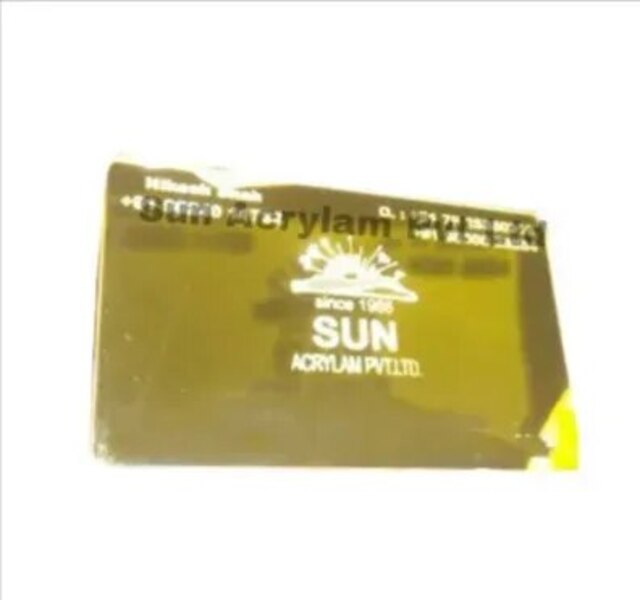
“Golden” names a colour or surface effect, not a material. A quote for golden visiting cards in ahmedabad could describe gold-coloured PVC, metallic ink, hot foil, metallised PET, acrylic, aluminium, or stainless steel. Ask for the substrate and finishing process before comparing prices.
| Option | Appearance | Durability and practical use |
|---|---|---|
| Printed cardstock with metallic ink | Gold tone, usually satin rather than mirror-reflective | Light and economical; suits frequent handouts but scuffs and bends |
| Hot-foil cardstock | Sharper, brighter gold with a reflective stamped area | More premium visually; foil can scratch or lose registration on fine details |
| Laminated PVC or PET | Even colour under a protective clear layer; gloss, satin, or textured | Wallet-friendly and moisture-resistant; useful for daily sales visits |
| Metallised PET | Continuous reflective or mirror-like surface | Flexible and durable, but glare can reduce readability |
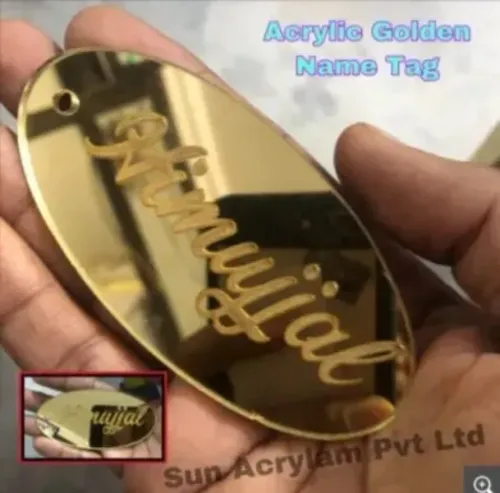
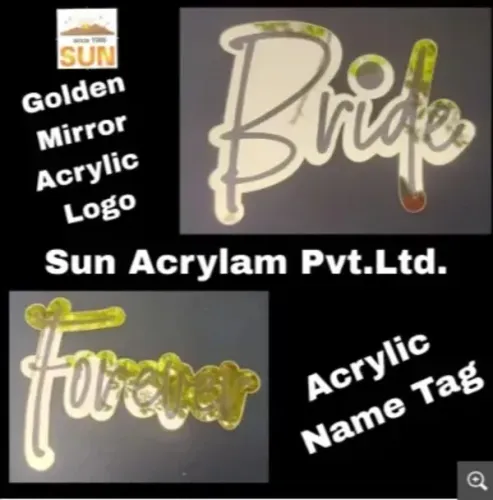
| Acrylic | Rigid, deep-looking, transparent, frosted, or mirror gold | Striking but thicker and more brittle; better for hand-delivered cards, invitations, or display pieces |
| Aluminium or stainless steel | True metallic sheen with a heavier, cooler feel | Long-lasting for luxury, jewellery, or executive networking; weight and sharp untreated edges need control |
For wallet-sized plastic cards, confirm ISO/IEC 7810 ID-1 dimensions: 85.60 × 53.98 mm and nominal 0.76 mm thickness. Custom sizes are not automatically interchangeable. Metal can also shield NFC; ask for the inlay position, ferrite layer, or non-metal antenna window before approving contactless functionality.
How to Compare a Golden Visiting Card Supplier in Ahmedabad
Two quotes are comparable only when they describe the same substrate, dimensions, finish, and production method. Treat a golden visiting card supplier in Ahmedabad’s word “golden” as a colour claim until the quotation identifies the material and process.
| Option | What the quotation must specify | Main comparison point |
|---|---|---|
| Printed PVC or cardstock | Substrate, CMYK or metallic ink, laminate, thickness | Gold-coloured print is not mirror-reflective foil |
| Foil-stamped or metallised plastic | Foil transfer or metallised film, coverage, protective coating | Compare reflectivity, scratch resistance, and registration |
| Aluminium or stainless steel | Grade, thickness, cut-edge treatment, engraving or print | Compare stiffness, weight, edge safety, and NFC limitations |
For a wallet-sized plastic card, check whether both suppliers quote ISO/IEC 7810 ID-1 dimensions: 85.60 × 53.98 mm and nominal 0.76 mm thickness. A custom size or thickness must appear separately. Ask these questions before comparing prices:
- What exact substrate, surface texture, colour process, and coating are included?
- Is the gold produced by CMYK, metallic ink, hot foil, or a metallised surface?
- Are foil registration, lamination, cutting, deburring, proofing, and packaging included?
- Which operations happen in-house, and which are outsourced?
- If NFC is included, where is the inlay, and does a metal card use a ferrite layer or non-metal window?
- Does the price state quantity, tax, artwork charges, sample approval, and delivery date?
A supplier’s sheet-fabrication ability does not prove expertise in foil registration, colour-managed metallic printing, lamination, or NFC assembly. Compare written specifications, not finish names.
How to Keep Gold Cards Readable and Useful for Networking
Mirror gold should be treated as a background, not as the colour for your contact details. Use near-black, deep navy, or another opaque dark ink for the name, phone number, email address, and website; white or pale gold text disappears when office LEDs or exhibition spotlights strike the surface.
Keep typefaces simple. Use a medium or semibold weight, generous line spacing, and separate the phone number from the address instead of compressing everything into one block.
A matte-laminated or clear-coated contact panel can control glare, but confirm the finish: clear lamination can soften a mirror effect, shift the apparent gold, or lift at the edges if poorly bonded.
1. View the proof under a ceiling light and a phone flash. Tilt it 30–45 degrees; reject any line that vanishes during the tilt.
2. Print a scannable QR code in solid dark ink on an untextured, non-reflective area. Preserve its white quiet zone and test it from both Android and iPhone cameras.
3. Ask whether the gold is CMYK, metallic ink, hot foil, or metallised film. Only the named process tells you whether to expect printed gold or strong reflection.
4. If custom golden business cards include NFC, request the inlay position and any ferrite layer or non-metal window. A metal body can shield the antenna and make tap sharing fail.
Which Golden Card Material Fits Your Business Setting?
Choose the substrate by the meeting, not by the word “golden.” A printed cardstock card suits daily sales visits and large handouts: it is light, inexpensive to replace, and easy to print with high-contrast contact details. Use a defined substrate and finish in every quotation.
| Option | Best setting | Watch for |
|---|---|---|
| Printed cardstock | Daily sales calls, seminars, corporate meetings | Metallic ink or foil can look different under office lighting; uncoated stock marks easily. |
| Laminated plastic | Frequent handling, exhibitions, hospitality desks | Gloss lamination protects the print but can reduce mirror contrast; matte lamination changes the colour and poor bonding causes edge lift. |
| Acrylic | Architects, designers, luxury hospitality, invitation-led networking | It creates depth and a rigid, premium feel, but adds thickness and can crack or show fingerprints at cut edges. |
| Metallised plastic | Exhibitions and retail introductions where shine matters | It is lighter than metal, yet scratches and glare can make small text difficult to scan. |
| Aluminium | Jewellery, luxury goods, design studios | It feels genuinely metallic without stainless-steel weight; require deburring, anodising or another edge treatment. |
| Stainless steel | High-value introductions where longevity and tactile impact matter | It is heavier, costs more, and can shield NFC antennas unless the supplier adds a non-metal window or ferrite layer. |
A metallic visiting card supplier in Ahmedabad should state whether the gold comes from ink, foil, metallised PET, anodising or steel. When comparing a premium visiting card maker in Ahmedabad, ask which printing, lamination and NFC operations are in-house. SUN ACRYLAM PVT.
LTD. can help you assess acrylic fabrication, but that capability alone does not prove metallic-print registration or NFC assembly.
Related products
 | Invitation Card Golden Visiting Cards View product → |
 | Cutting Services Stylish Visiting Card Manufacturer View product → |
What Must You Check Before Approving Production?
Approve the full order only after the supplier passes a small, documented proof check. A low quotation that omits tooling, setup, rework, or packaging is not a saving.
1. Compare written specifications, not the word “golden.” Record the substrate, thickness, finished dimensions, corner radius, printed sides, gold process, foil or ink colour, laminate or coating, cut-outs, engraving depth or marking method, quantity, packaging, rejects policy, and delivery terms.
2. Inspect a full-size physical proof. Check spelling, phone numbers, logo proportions, bleed, safe margins, font size, and whether fine reversed text survives the reflective surface. Confirm that the approved file, not an older revision, appears on the proof.
3. Scan every code before approval. Test QR codes from a printed proof under office lighting and at normal hand distance; confirm the destination, phone number, email address, and vCard fields. For NFC cards, ask for the inlay position and test tapping through the finished material, because metal can shield the antenna.
4. Judge finishing by touch and angle, not a digital mock-up. Check foil registration, solid foil areas, coating bubbles, scratches, fingerprints, sharp edges, cut-outs, and engraving contrast. Engraving on coated or anodised stock may expose a contrasting layer rather than produce a gold mark.
5. Get delivery controls in writing. Confirm the dispatch date, packed quantity, protective separators, carton labelling, replacement process for rejects, and who pays for rework. Photograph the approved proof and retain the signed specification with the purchase order.
Frequently asked questions
What does “golden” mean on a visiting card?
Golden describes a colour or surface effect rather than one material. It can come from gold-coloured PVC, metallic ink, hot foil, metallised PET, acrylic, aluminium, or stainless steel. Ask the supplier to identify both the substrate and finishing process.
How should you compare a golden visiting card supplier in Ahmedabad?
Compare physical samples, substrate, thickness, printing method, foil coverage, edge quality, minimum order, proofing process, production timeline, and replacement policy. Check samples under normal office lighting and confirm what the quoted price includes.
How do you keep golden visiting cards readable?
Use dark text with strong contrast, avoid fine lettering over reflective areas, keep essential contact details away from busy foil patterns, and test the final artwork at actual card size. Include a QR code only after testing it on printed samples.
Which material fits a business setting?
Gold-coloured PVC suits standard networking, metallised PET suits a reflective lightweight finish, acrylic suits thicker display-led cards, and aluminium or stainless steel suits durable premium cards. Choose based on writing, scanning, pocket storage, weight, and the impression your customers expect.
What must you check before approving production?
Approve the substrate, thickness, dimensions, corners, gold process, colour reference, text contrast, QR-code scan, artwork proof, quantity, packing, delivery date, and acceptable production tolerances in writing.