

Acrylic rods may appear to be simple components, but they serve an important purpose across numerous industries. From engineering applications to decorative installations and retail displays, these versatile products combine strength, transparency, and excellent machinability.
Working with a dependable acrylic rod manufacturer ensures businesses receive products that meet dimensional accuracy, quality standards, and project-specific requirements.
Understanding Acrylic Rods
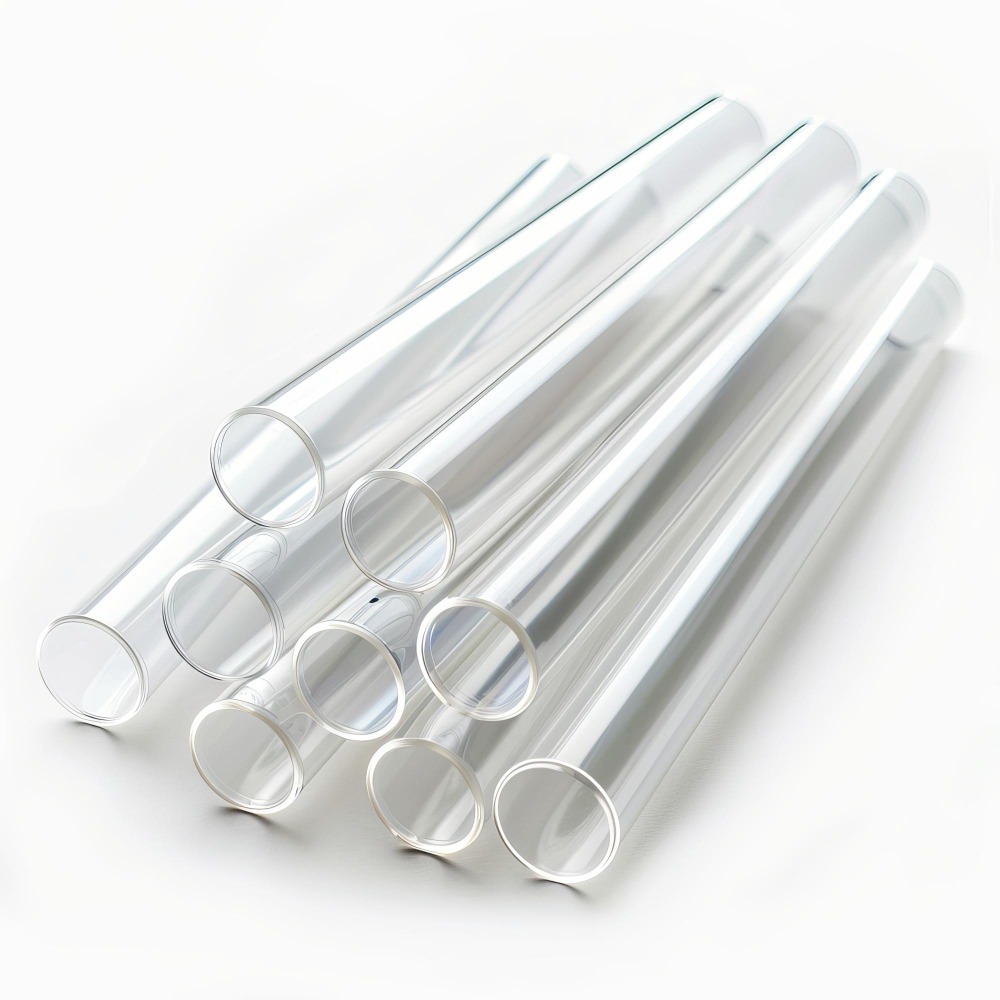
Acrylic rods are solid cylindrical plastic bars produced using premium acrylic material. They are available in multiple diameters, lengths, and finishes depending on application needs.
Because of their clarity and ease of fabrication, acrylic rods have become popular alternatives to traditional materials in many industries.
Common Uses Across Industries
Retail Displays
Display manufacturers frequently use acrylic rods for:
- Product stands
- Display supports
- Sign holders
- Cosmetic displays
Their transparent appearance creates a clean and modern presentation.
Engineering Applications
Industrial manufacturers incorporate acrylic rods into:
- Machine components
- Precision assemblies
- Equipment accessories
- Industrial fixtures
Their lightweight nature simplifies installation without compromising appearance.
Interior Decoration
Interior designers use acrylic rods for:
- Furniture accents
- Decorative installations
- Lighting features
- Architectural elements
They complement contemporary commercial interiors particularly well.
Educational Equipment
Schools, laboratories, and research institutions often use acrylic rods in models, demonstrations, and scientific equipment because of their clarity and durability.
Benefits of Acrylic Rods
Acrylic rods provide several practical advantages.
These include:
- Excellent transparency
- Good weather resistance
- Smooth surface finish
- Easy machining
- Lightweight handling
- Attractive appearance
- Long service life
Their versatility makes them suitable for both functional and decorative purposes.
Choosing the Right Diameter
Selecting the correct diameter depends on intended usage.
Smaller rods are often preferred for decorative applications, while larger diameters are commonly used in industrial fabrication and structural display systems.
Consulting with an experienced manufacturer helps ensure appropriate product selection.
Fabrication Possibilities
One reason acrylic rods remain popular is their compatibility with various fabrication methods.
These include:
- Cutting
- Drilling
- Polishing
- Turning
- Threading
- Laser machining
- CNC processing
This flexibility allows manufacturers to produce highly customized components.
Quality Characteristics to Evaluate
Industrial buyers should examine several quality indicators before purchasing.
Look for:
- Bubble-free material
- Uniform diameter
- High optical clarity
- Smooth finish
- Dimensional consistency
- Scratch-free surfaces
Reliable manufacturing standards contribute to better finished products and lower rejection rates.
Why Local Manufacturing Adds Value
Businesses in Ahmedabad and other parts of Gujarat often benefit from sourcing acrylic rods locally.
Advantages include:
- Faster deliveries
- Easier communication
- Reduced freight expenses
- Better production coordination
- Convenient quality verification
These practical benefits improve procurement efficiency for both small and large manufacturing companies.
Selecting the Right Manufacturing Partner
A dependable supplier should offer:
- Wide product range
- Custom diameters
- Consistent inventory
- Industrial fabrication support
- Bulk order capability
- Reliable quality control
Evaluating these capabilities before procurement helps reduce project risks.
As manufacturing industries continue to adopt precision plastic components, the demand for premium acrylic rods continues to grow. Companies such as SUN ACRYLAM PVT. LTD. support industrial buyers with quality acrylic products designed for diverse applications across Ahmedabad, Gujarat, and beyond. Choosing an experienced acrylic rod manufacturer ultimately contributes to better product quality, smoother fabrication, and dependable long-term performance.