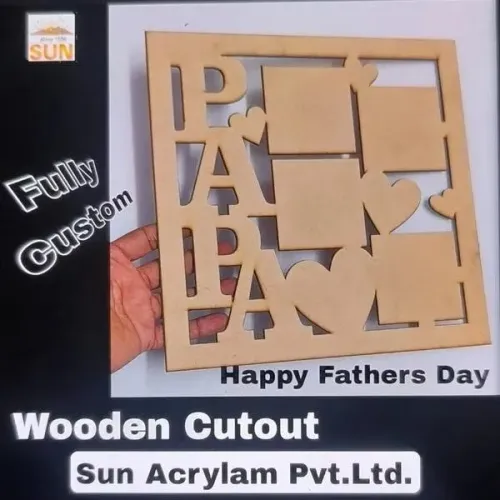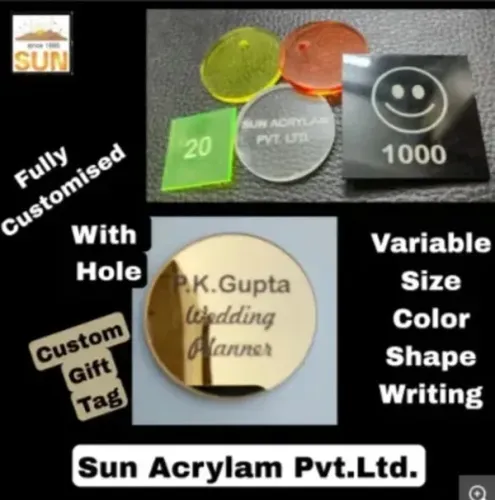

Engraved information is used across industrial labels, electrical panels, control systems, name plates, display products, awards, signage, and branded fixtures. Compared with printed graphics, engraving creates a physical mark in the material, making it useful where precision and permanence are important.
Choosing Laser Engraving Services requires buyers to evaluate readability, contrast, material compatibility, artwork quality, production consistency, and finishing requirements.
Define the Purpose of the Engraving
An industrial identification label serves a different purpose from a decorative award or retail sign.
Industrial engraving may need to communicate:
- Equipment numbers
- Safety information
- Operating instructions
- Electrical legends
- Asset identification
- Directional information
- Serial numbers
Decorative engraving may prioritise fine detail, surface appearance, depth, and illumination.
The purpose determines the correct material, text size, contrast, and engraving method.
Select Material for Contrast
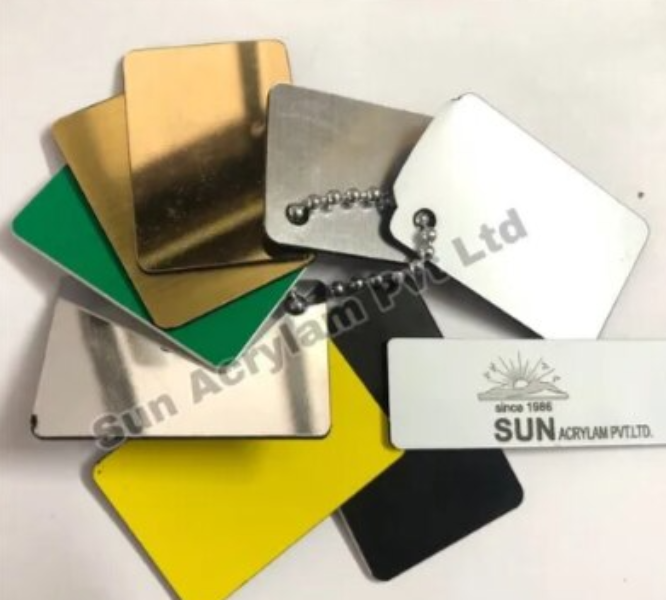
Clear acrylic can produce a frosted engraved mark, while coloured and layered materials may create stronger contrast. Engraving from the reverse side of clear acrylic can protect the visible surface and create a clean front-facing appearance.
Designers may also use edge lighting to make engraved graphics glow. The result depends on acrylic thickness, engraving depth, LED placement, edge finish, and graphic density.
A physical test is valuable because screen previews cannot accurately represent light behaviour.
Maintain Readability
Very small lettering may look sharp in artwork but become difficult to read after engraving. Font style, stroke width, spacing, depth, and viewing distance all affect legibility.
For industrial labels, simple fonts and clear spacing are usually more effective than decorative typefaces. Essential operating information should be tested at the distance from which it will normally be read.
Prepare Variable Data Carefully
Serial numbers, QR codes, equipment IDs, and individual names require accurate data management. One incorrect row in a spreadsheet can create an unusable label.
Before production:
- Standardise the data format.
- Remove duplicate entries.
- Confirm capitalisation and punctuation.
- Validate serial-number sequences.
- Test QR codes at their final size.
- Approve a representative sample.
Responsibility for final data approval should be clearly assigned.
Check Environmental Exposure
Labels used in factories, outdoor environments, laboratories, and commercial kitchens may face heat, moisture, chemicals, abrasion, or frequent cleaning.
Engraving can improve durability, but the base material and mounting method must also suit the environment. Adhesive-backed labels may fail if applied to oily, textured, or high-temperature surfaces.
Buyers should describe the installation surface and operating conditions during the quotation stage.
Decide How the Product Will Be Mounted
Common mounting methods include:
- Industrial adhesive
- Screws
- Rivets
- Standoffs
- Slots
- Magnetic backing
- Holders or channels
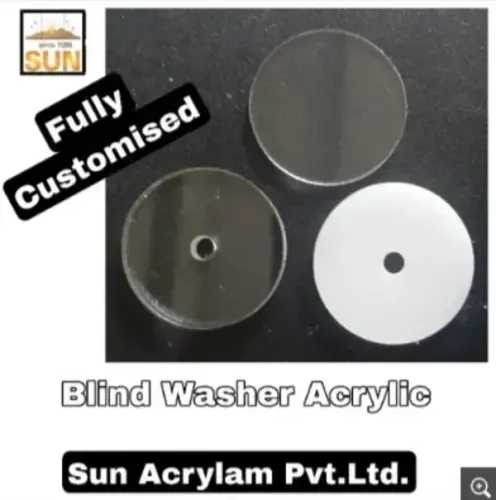
Mounting holes should be incorporated into the drawing rather than drilled as an afterthought. Hole position, edge distance, and fastener pressure should be appropriate for acrylic.
Approve a Production Sample
A sample should confirm text accuracy, engraving depth, contrast, dimensions, hole locations, edge quality, and mounting compatibility.
For recurring orders, the approved sample becomes a reference for later batches. This is particularly useful for engineering and manufacturing companies in Ahmedabad that need consistent identification across multiple machines or product lines.
Look for Production Readiness
SUN ACRYLAM PVT. LTD. supports customised engraving and fabrication requirements in Ahmedabad, Gujarat. A provider offering Laser Engraving Services should be able to review artwork, recommend suitable material, manage variable data, and maintain consistent output across the required quantity.
The strongest buying decision is based on whether the finished item remains readable, appropriate for its environment, and easy to install, not simply on how quickly a machine can engrave it.